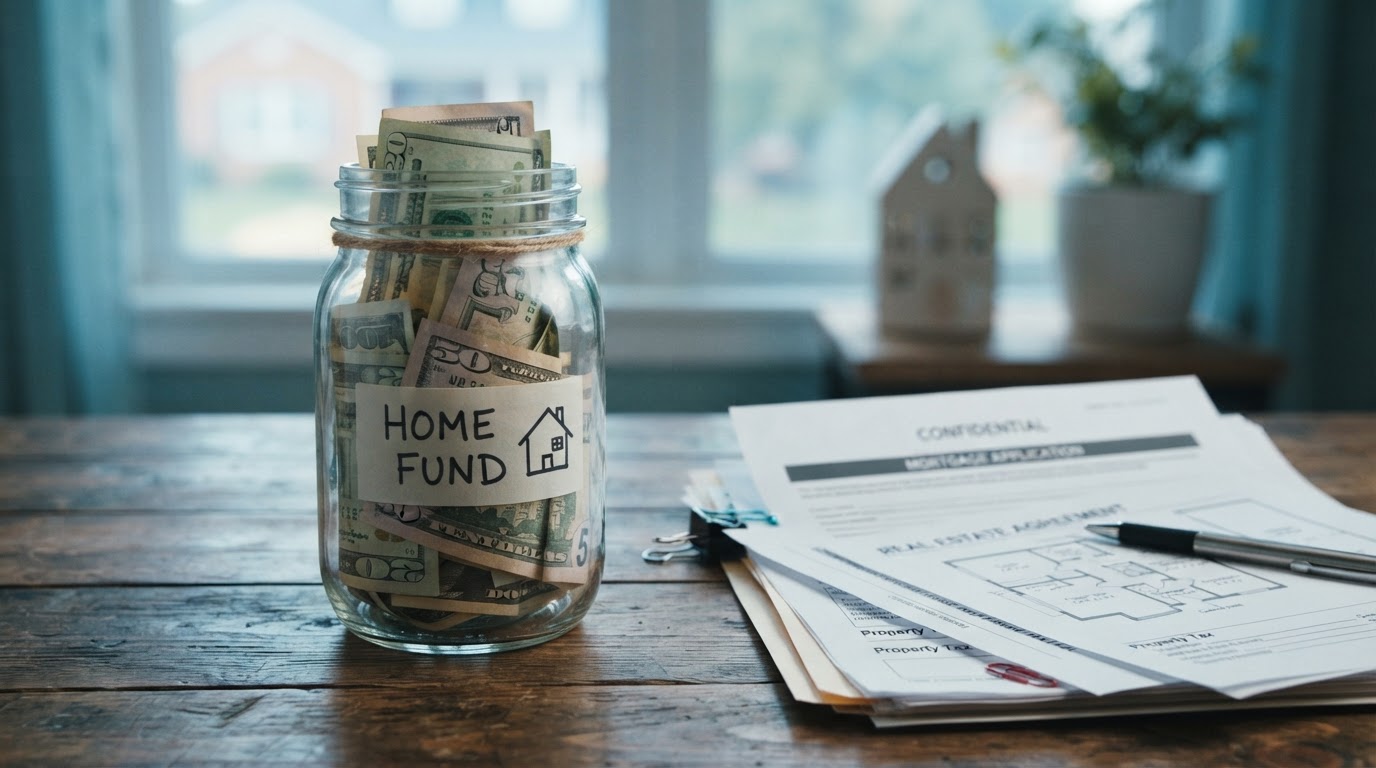
Buying your first home is a big step, and being prepared can make the process smoother and far less stressful. This first-time home buyer checklist walks through everything you need before you make an offer, from credit and income to down payment, pre-approval, inspections and closing.
The short answer: review your credit, organize your income and debt documents, save for your down payment and closing costs, get pre-approved, then shop with confidence and stay financially steady until closing day.
Why a checklist matters
A mortgage is one of the largest financial commitments most people will ever make. Lenders look at your credit, income, debts, assets and the property itself. When you prepare these items in advance, you avoid surprises, move faster when you find the right home, and present a stronger offer to sellers.
Pre-approval is not a final loan approval or a commitment to lend. Your loan still depends on the property, the appraisal and final underwriting.
1. Check your credit
Your credit history is one of the first things a lender reviews. Different loan programs have different credit guidelines, so there is no single number that fits everyone.
- Get your free credit reports from the official site, annualcreditreport.com.
- Read each report for accounts you do not recognize, wrong balances, or late payments that were actually paid on time.
- Dispute errors directly with the credit bureau.
- Pay every bill on time while you prepare.
If your score is lower than you hoped, talk with a licensed loan officer. Some programs, such as an FHA home loan, have different guidelines for eligible buyers.
2. Understand your income and debts
Lenders compare your monthly income with your monthly debts, often called your debt-to-income ratio. Make a simple list:
- Your gross monthly income, before taxes
- Car loans, student loans and credit card minimum payments
- Any other monthly debt, such as personal loans or child support
Seeing this list helps you understand how much room you have for a mortgage payment. If you are self-employed or have income from bonuses, commissions or side work, lenders usually look at a longer history of that income, so keep good records.
3. Save for your down payment and closing costs
Many buyers think they need 20 percent down. That is not true for every loan. The amount depends on the loan program and your situation. Learn about your choices on our first-time home buyer page.
Remember that you also need money for other costs:
- Down payment
- Closing costs, such as lender, title and appraisal fees
- Prepaid items, such as homeowners insurance and property taxes
- Cash reserves, which are savings left after closing
If a family member plans to give you money toward your down payment, tell your loan officer early. Gift funds usually need a signed letter and paperwork that shows where the money came from.
4. Get pre-approved
A pre-approval is a lender's review of your finances. It gives you a clearer picture of what you may be able to borrow and shows sellers you are a serious buyer.
Read our mortgage pre-approval checklist to prepare before you talk to a loan officer. Pre-approval is not a final loan approval or a guarantee that financing will be provided.
5. Find a home and make an offer
Once you understand your budget, work with a real estate professional to find a home that fits your needs and your price range. When you find the right property, your agent will help you prepare an offer and understand the relevant deadlines and contingencies.
Keep your loan officer informed as you move through the process.
6. Inspections and appraisal
After your offer is accepted, schedule a home inspection and review the results carefully. Your lender will also order an appraisal to confirm the property's value supports the loan.
You may be able to negotiate repairs or credits based on the inspection. Talk with your real estate professional about your options.
7. Stay financially steady until closing
Lenders may check your credit and employment again before closing. Try to keep your finances steady:
- Do not open new credit cards or take out new loans.
- Do not make large purchases on credit, such as furniture or a car.
- Do not change jobs without talking to your loan officer first.
- Do not move large amounts of money around without a paper trail.
- Keep paying all bills on time.
Your quick first-time home buyer checklist
- Pull and review your credit reports
- List your income and monthly debts
- Decide on a down payment and check your cash for closing costs
- Gather your documents in one folder
- Set a monthly budget you feel good about
- Get pre-approved with a licensed loan officer
- Find a home and make an offer
- Complete inspections, appraisal and underwriting
- Keep your finances steady until closing
Frequently asked questions
How much do I need for a down payment? Down payment needs depend on the loan program. Some programs allow lower down payments for eligible buyers. A loan officer can explain what may fit you.
What is the difference between pre-qualification and pre-approval? A pre-qualification is usually a quick estimate based on information you provide. A pre-approval involves a deeper review of your documents and credit, so it is generally stronger when you make an offer. Neither is a final loan approval.
Do I need 20 percent down to buy a home? No. Down payment needs depend on the loan program. Some programs allow lower down payments for eligible buyers.
How long does the process take? The timeline varies depending on your property search, offer negotiations, financing, appraisal and underwriting. Ask your real estate professional and loan officer what timeline is realistic for your situation.
Ready to get started?
Following this first-time home buyer checklist puts you in a stronger position before you shop for a home. When you are ready, get a free quote or get pre-approved with Alex.
You can also call Alex Al-Ammar at (313) 992-9898 or email Alex@vestalending.com.
This article is for general information only. It is not legal, tax or financial advice. Loan programs, guidelines and eligibility depend on your credit, income, property and lender requirements. Speak with a qualified professional about your individual situation.